Safety First: When to Consider Professional Tree Removal Services
Tree removal is an important consideration for homeowners. Safety should always come first, particularly when trees present potential dangers. Unstable or diseased trees can threaten both property and lives. Identifying the warning signs that suggest a tree needs to be removed is crucial. Property owners need to be aware of the dangers present and the advantages of hiring professionals. The measures followed during this process can play a key role in guaranteeing a safe surroundings.
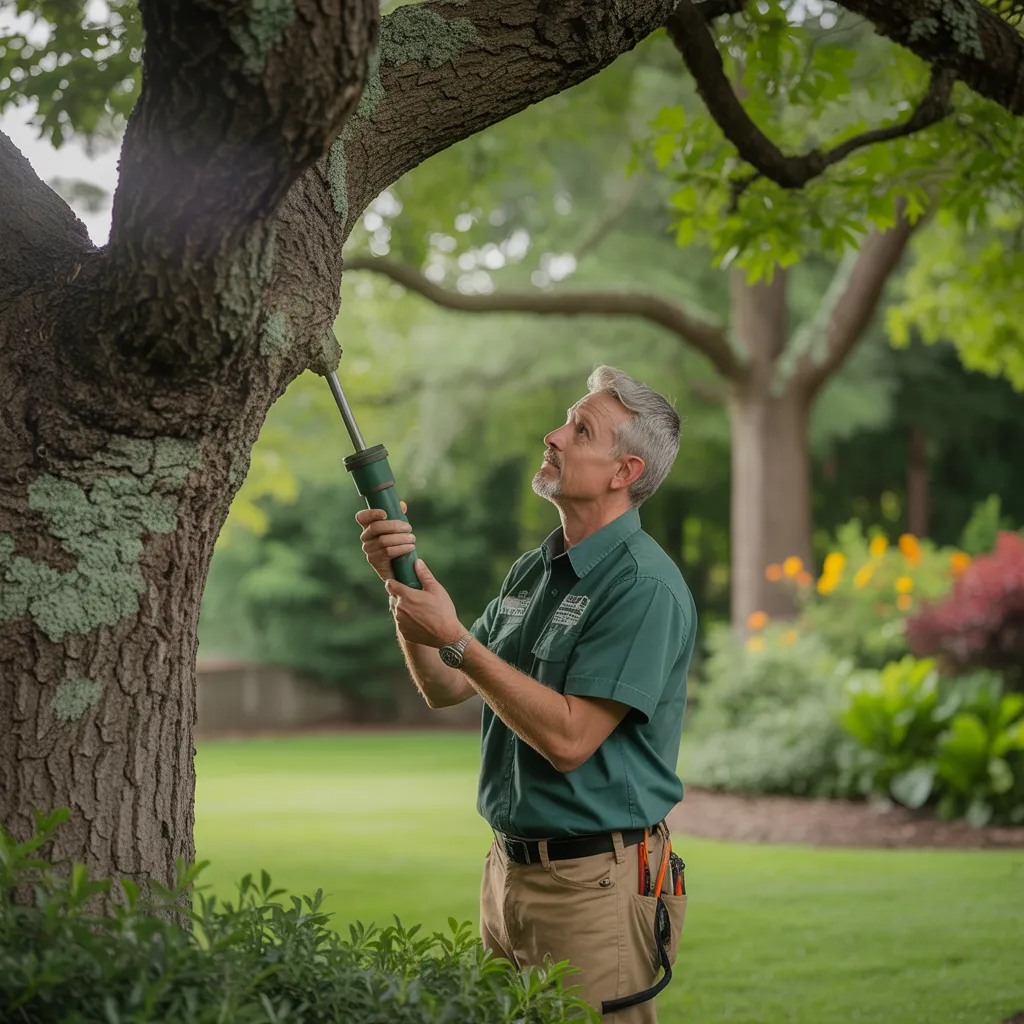
Knowing When Your Tree Is a Safety Concern
Weather factors also contribute significantly; strong winds or severe storms can worsen an already compromised tree. Periodic inspections by a qualified arborist can help recognize these risks before they intensify. Property owners should remain alert, particularly following intense weather occurrences, and respond quickly if they notice troubling signs. In the end, timely identification and action can avert incidents and safeguard both assets and individuals.
The Hazards of Overlooking Tree Health
Overlooking tree health can create serious hazards for homeowners and their properties. Unmaintained trees can develop structural vulnerabilities, raising the probability of branches snapping or whole trees toppling, particularly during storms. Such incidents pose threats not only to the home and surrounding structures but also to people in the vicinity. Additionally, unhealthy trees can attract pests and diseases, which may spread to healthy vegetation, compromising the entire landscape. This likelihood of widespread damage introduces greater financial pressure, as the costs associated with treatment or removal can grow substantially. Beyond that, deteriorating trees can lower property value, influencing marketability when homeowners decide to sell. Homeowners may find themselves facing not only aesthetic issues but also hidden liabilities. As a result, regular maintenance and attention to tree health are essential in mitigating these risks and ensuring the safety and beauty of the property.
Identifying Tree Diseases That Require Expert Attention
How can property owners successfully detect tree diseases that demand professional care? Identifying symptoms early is vital for maintaining tree health and safety. Residents should be on the lookout for warning signs including discolored leaves, unexpected growths, or bark irregularities. Drooping, restricted growth, or abrupt leaf loss may signal that a tree is under stress. Fungal developments, including mushrooms appearing at the base, are indicators of possible root concerns, and cankers along with oozing sap may point to active infections.
Furthermore, pest problems, evidenced by leaf damage or insect activity, can compromise tree health and increase disease vulnerability. Trees exhibiting these symptoms often need professional assessment, as untreated issues can lead to structural instability. Seeking experienced arborists ensures reliable diagnoses and suitable care plans, protecting both the trees and the surrounding environment. Recognizing these signs early allows homeowners to take proactive measures, supporting enduring health and stability.
How Close Trees Are to Structures and the Effect on Safety
The health of trees is not solely determined by disease but is also heavily impacted by their closeness to surrounding structures. Trees planted too close to buildings, fences, or sidewalks can pose significant safety risks. Tree roots can compromise foundations and cause structural instability, while overhanging branches may disrupt roofs, gutters, or power lines when storms occur. In addition, trees overhanging nearby properties can pose serious risks, as they may fall during periods of high winds or extreme weather.
In city settings, restricted areas influence how trees grow, often resulting in weaker branches and undesirable structural traits. Such closeness can also encourage competition for essential nutrients and water, further compromising tree health. Periodic inspections are critical to assess the dangers linked to trees situated near structures, taking into account their species, size, and overall condition. Guaranteeing proper separation between trees and structures can address safety issues and support more robust development.
Why You Should Consider Hiring Tree Removal Pros
Hiring expert tree removal specialists presents considerable benefits as a result of their expertise and experience in the field. These specialists have the capability to tackle demanding tasks while reducing safety hazards and liability issues. Selecting their services ensures both effective tree management and peace of mind for property owners.
Skill And Experience
When faced with the demanding task of tree removal, people often underestimate the difficulties involved. Qualified tree removal specialists bring a great deal of knowledge and experience that is essential for proper and secure removal. Skilled arborists possess in-depth knowledge of the biology of trees, growth characteristics, and the specialized approaches required for a wide range of trees. Their expertise allows them to assess the situation accurately, detecting potential risks and finding the most suitable strategy for removal. Moreover, professionals are outfitted with specialized tools and equipment that improve accuracy and efficiency, minimizing the risk of damage to adjacent property. By working with specialists, homeowners can guarantee that the job is completed correctly, ultimately conserving time and alleviating stress.
Safety And Legal Liability Risks
Removing a tree can present significant safety and liability risks that are often overlooked by those attempting the task themselves. Untrained individuals may fail to appreciate the challenges involved, resulting in incidents that can lead to harm or structural damage. Falling branches can harm nearby individuals, while incorrect use of tools may lead to self-inflicted injuries. Additionally, if nearby properties sustain damage, the homeowner may be responsible for covering repair costs. Professional tree removal services are trained in the use of specialized training, safety gear, and insurance to reduce these dangers. By enlisting professional help, homeowners not only guarantee a safer removal process but also protect themselves from potential legal repercussions, making expert assistance a wise decision for tree-related concerns.
What to Anticipate During Professional Tree Removal
During professional tree removal, the operation starts with a preliminary evaluation to examine the condition of the tree and its surrounding environment. Advanced equipment and specialized techniques are then applied to secure efficient and safe tree removal. Finally, post-removal tidying measures are carried out to restore the area, leaving it tidy and free of debris.
Preliminary Assessment Procedure
Before any tree removal can take place, a thorough initial inspection is critical to guarantee efficiency and safety. Throughout this process, professionals will evaluate the condition, size, and placement of the tree in proximity to surrounding structures and power lines. They will also detect likely risks, such as dead branches or disease, that could hinder the tree removal procedure. Assessing the nearby surroundings helps establish the best approach and necessary precautions. The crew may also address the homeowner's priorities and goals to establish consensus on the removal approach. This comprehensive inspection lays the groundwork for a safe and effective procedure, reducing potential hazards and ensuring that the job meets local regulations and safety standards. A thorough assessment is critical for a smooth tree removal experience.
Tools and Methods Employed
While each tree removal project is unique, trained specialists commonly use a variety of dedicated equipment and approaches to guarantee the task is executed safely and efficiently. Chainsaws serve as an essential tool, enabling accurate cutting of both the trunk and limbs. Arborists often employ ropes and harnesses to protect themselves and guide the controlled descent of large limbs. For particular situations, cranes or bucket trucks are brought in to access taller trees safely. In addition, chippers are operated to turn branches into usable mulch, keeping debris to a minimum. Professionals assess the surrounding area to determine the best approach, frequently using techniques such as directional felling to manage the direction of the tree's fall. Such meticulous planning and strategic equipment selection work together to deliver a smooth and secure removal process.
Post-Removal Cleanup Steps
Once the tree has been successfully removed, the cleanup process begins to rehabilitate the surrounding space. The expert crew will initially clear away large branches and sections of the trunk, typically reducing them to easily handled portions. Stump grinding may follow, where the remaining stump is ground down to below ground level, reducing its appearance and discouraging new growth.
Next, all debris, including leaves and smaller branches, is thoroughly cleared. The crew will also tend to any damage affecting nearby plants or grass, keeping the landscape in good condition. As a final step, they will present replanting or landscaping options for the cleared area if the owner desires. Safety is upheld at every stage of the process, leaving the site clean and free of hazards for the homeowner.
Common Questions and Answers
How Much Will Professional Tree Removal Generally Cost You?
Professional tree removal typically costs anywhere from $200 to $2,000, based on factors including tree size, location, and accessibility. Services beyond basic removal, including stump grinding and debris cleanup, may raise the overall price for homeowners.
Can I Legally Take Down a Tree on My Own?
Yes, people can lawfully see the facts handle tree removal themselves, so long as they follow local guidelines and acquire the appropriate permits. That said, it is crucial to evaluate the risks and potential liabilities involved with the task prior to moving forward.
What Permits Do You Need for Tree Removal?
Typically, a permit for tree removal may be required according to local rules, the type of tree, and its dimensions. Property owners are advised to consult with local authorities to confirm compliance with required permits prior to initiating removal.
How Long Does the Tree Removal Process Take?
The tree removal process usually spans a few hours up to a full day, depending on tree size, location, and complexity. Factors like the weather and any necessary permits can further impact how long the project takes.
Will Tree Removal Damage My Lawn or Landscaping?
Tree cutting and removal can potentially damage your lawn and landscape, primarily as a result of the use of heavy machinery and interference with underground roots. That said, trained arborists frequently implement measures to reduce damage, making sure the surrounding area is rehabilitated to the greatest extent feasible following the removal.